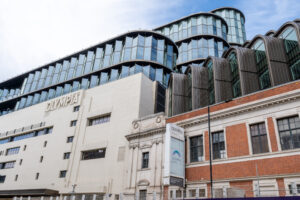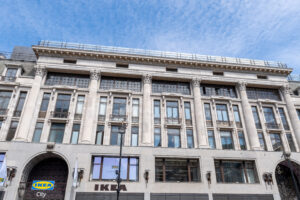
Operations Director for Associated Steel Window Services (ASWS), Kris Bennell, reflects on the work to restore three large system glazed bronze shopfronts and the historic doors now opening into the new Ikea store in one of London’s busiest retail locations.
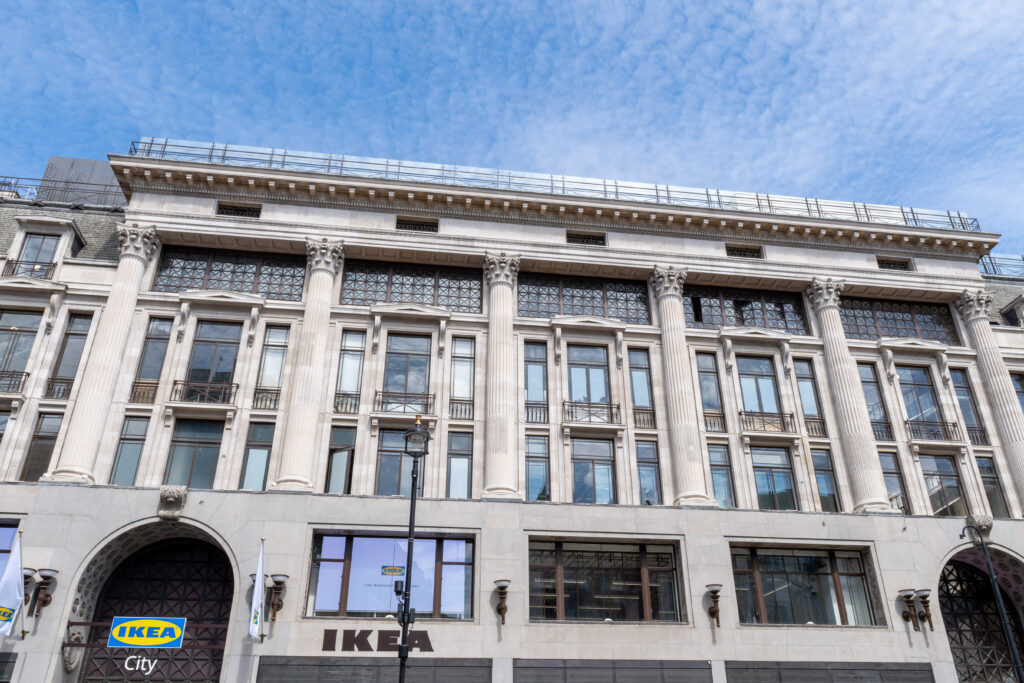
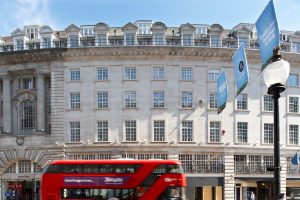
Best known for expertise in repairing ageing steel windows, ASWS, which had previously worked alongside the main contractor, McLaren Construction, drew on its team’s wider experience in heritage work by restoring the imposing cast bronze shopfronts at 214 Oxford Street; for the fenestration contract on the conversion of the former Topshop store to create the new London Ikea store. Traffic fumes, constant human attrition and even wartime bomb damage had all played their part in detracting from the once pristine elegance of the early 20th century metalwork’s latter day appearance, but ASWS was able to put forward detailed, costed proposals for their rectification after the specialist was initially invited to carry out a full condition survey on the landmark building’s elevations by the client’s agent, Avison Young. Subsequently, being awarded the contract to upgrade all of the fenestration, ASWS began working with main contractor, McLaren Construction in early 2023.
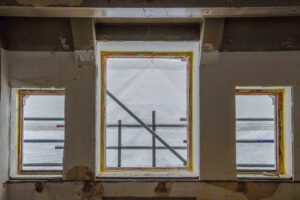
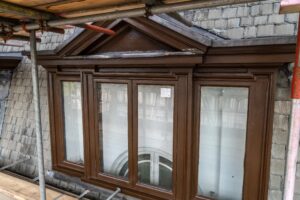
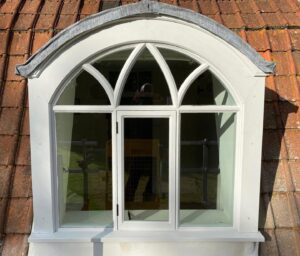
As a leading member of the Steel Window Association, the company’s interventions encompassed upgrading a total of 342 steel windows, many of which dated from when 214 Oxford Street was constructed between 1913 and 1928 to the designs of Sir Harry Tanner, the Principal Surveyor of the then London Office of Works. Repairing, upgrading and, in some cases, replicating the frames and glazing across all the classical French inspired façades, the wide-ranging package also encompassed tackling 14 large hardwood windows set into a mansard roof, and carrying out complex welding operations to save multiple wrought iron balustrades which articulate the famous frontage.
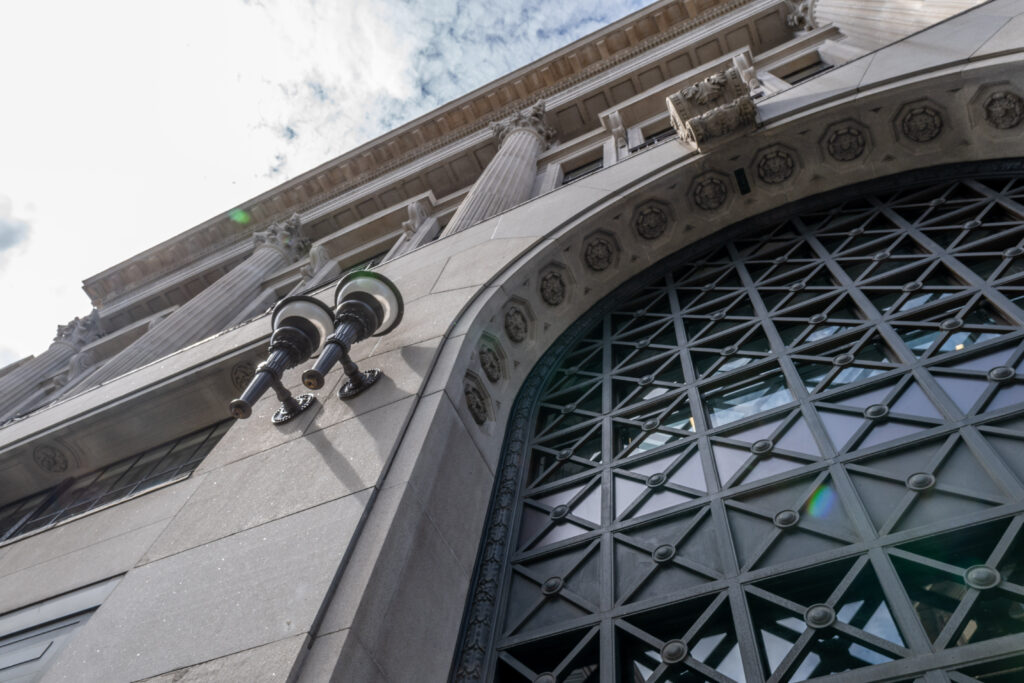
Work on the cavernous North-east Quadrant building was complicated by its Grade II listed status and factors such as major tenant, Nike continuing to trade throughout the two year timeframe. ASWS was tasked to reglaze and execute complex structural work to the three towering bronze shopfronts, while also being asked to take on the cleaning, repair and subsequent protection of the unique bronze castings. Lavishly decorated, these distinguish the revitalised retail destination standing just a few feet from one of the capital’s busiest pedestrian crossings, where up to 40,000 people an hour traverse the junction.
McLaren’s Senior Site Manager on the project, Jack Wright, commented: “This was a prominent job on Oxford Street which attracted a lot of interest from the passing public, while the Crown Estate had primary responsibility for preserving the heritage of the building. A part of the ethos to the refurbishment was to remain sympathetic to the building and the materials, trying not to be too invasive to the building fabric. The hoarding line was so tight to the pavement that it made it very difficult to change the glass or carry out other tasks, it was like doing a building job on a postage stamp.
“We worked closely with ASWS to develop a methodology with minimal effect on the external site environment. The historic bronze shopfronts are actually secured to large timber sections, some of which had moved out of alignment over the years. This had to be brought back in line – We engaged the design team and ASWS experienced fitters to remediate this issue. We needed to restore the bronze frontages to a standard everyone could be happy with. We were extremely happy with the way ASWS bought into to our strategy for this refurbishment scope.”
The Senior Site Supervisor for ASWS, James Levens, recounted: “The shopfronts were one of the most sensitive areas of our involvement on 214 Oxford Street, where we were liaising over the details with property’s owners, The Crown Estate, Avison Young, the architect, and McLaren Construction. Reglazing nine panes of glass, all in the region of 3m by 3m, on one of the busiest streets in the world was no small feat and was meticulously planned, actioned and signed off without a hitch! A key part of preserving the heritage involved developing exactly the right formulation (chemical blend) for the re-patination of the architectural metalwork. Through research and colour-matching and a few trials, we settled on a shade halfway between ‘authentic bronze’ and the colour they had weathered to over the years. Ultimately, the team pulled together well and showed an incredibly positive attitude to the different challenges.”
With all its repair and re-patination operations complete, and the massive sheets of glass replaced, ASWS applied a multi-layer wax coating across all of the bronze to offer protection for years to come.